 Solutions
 Modules
 Services
 Pricing
 Our integrations
 Microsoft Teams
 Workday
 Dayforce
 Access
 Cegid
Cegid
 e-Signature Solutions
 Other Solutions
 Sopra HR 4YOU
 SAP SuccessFactors
 ADP
ADP
 Oracle HCM
 Success Stories
 Use Cases
 Blog
Blog
 Resources Center
 Contact us
 Neocase by sopra HR
 Partners
 Français
 English
As organizations become increasingly complex, one thing is clear:
👉 Employee experience is no longer just an HR concept — it is a business performance driver.
However, behind this ambition lies a major challenge:
👉 How can organizations deliver an experience that is consistent, seamless, and accessible to everyone?
The reality of Employee Experience: multiple needs, multiple journeys
One of the most common mistakes organizations make is viewing employee interactions with HR as a single, standardized journey.
In reality, employee experience is highly fragmented:
- Frontline employees without permanent access to a workstation
- Highly connected office-based employees
- International work environments
- Diverse levels of digital adoption
- Different needs throughout the employee lifecycle
- Preferred communication channels depending on the type of request
👉 As a result, a single channel cannot effectively meet every employee's needs.
Multichannel Access: Foundation for an inclusive Employee Experience
One key takeaway from our customers' experiences is a fundamental shift in how organizations approach employee service delivery:
👉 If employee experience is multifaceted, the ways employees access HR services must be as well.
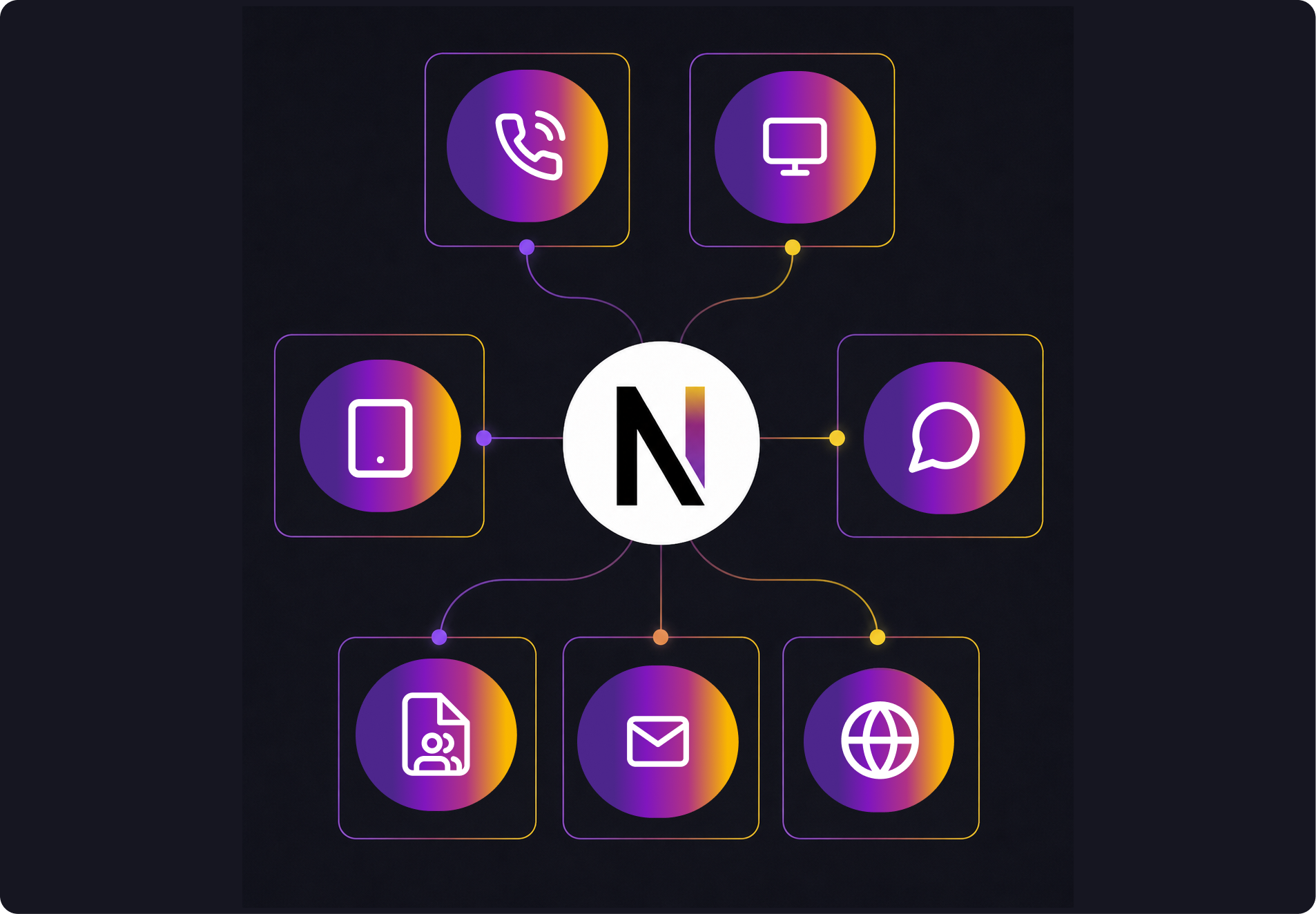
Employees should be able to engage with HR through the channels that best fit their context and preferences, including:
- HR portals
- Collaboration platforms (such as Microsoft Teams)
- Face-to-face interactions
- Mobile applications
👉 A multichannel approach helps organizations:
- Adapt to real employee behaviors
- Reduce friction
- Improve adoption rates
- Ensure accessibility for all employees
Multichannel does not mean fragmented: the importance of centralization
There is, however, an important challenge to address:
👉 Adding more channels without proper structure simply creates more complexity.
The goal is not just to provide multiple entry points, but to:
- Centralize HR requests
- Standardize processing
- Ensure consistency in responses
- Maintain complete visibility and traceability
In other words:
👉 A multichannel experience should feel seamless for employees while remaining fully orchestrated behind the scenes.
Standardize without losing the Human Touch
The experiences shared by our clients perfectly illustrate this balance.
Organizations need to:
- Create standardized and efficient processes
- Adapt to local realities and employee expectations
👉 In this context, a multichannel strategy becomes a powerful enabler, allowing organizations to standardize processes while personalizing access.
The role of HR Technology in orchestrating Employee Experience
Making this possible requires three key pillars:
1. Multichannel Entry Points
Employees should be able to interact with HR through their preferred channel, depending on their situation and needs.
2. A Centralized Platform
All requests and interactions should be consolidated into a single system of record.
3. Intelligent Automation
Automation helps streamline employee journeys while maintaining high service quality and consistency.
👉 Together, these three elements transform fragmented experiences into connected, manageable employee journeys.
Employee Experience as a performance driver
The benefits of this transformation are tangible:
- Greater efficiency for HR teams
- Improved access to HR services
- Higher employee satisfaction
- Reduced volume of repetitive requests
👉 Employee experience therefore becomes a direct driver of HR performance and business success.
What comes next?
Looking to build an employee experience that is truly accessible, consistent, and scalable?
👉 The answer is not just about implementing new tools.
It is about creating the ability to orchestrate a seamless, unified, and multichannel employee experience across the entire organization.